The PopCon

Case Study
The
PopCon
A bank takes over a cinema to scam people.
A live social experiment that proved how easily anyone can fall for fraud, the moment we drop our guard.
Client
Emirates NBD
Year
2024
Category
Finance & Public Awareness
Services
At a Glance
- MarketUnited Arab Emirates
- CategoryFinance, Public Awareness
- What it wasCinema takeover + SMS-led social experiment + mobile web journey (no app download)
In Their Words
Testimonial
When you have a truly disruptive brief, you want a partner who can walk the talk. A bank scamming people to raise fraud awareness was the perfect stunt. Almost Impossible pulled it off in their inimitable style. A meaningful initiative was made even bigger online. Kudos to the whole team.

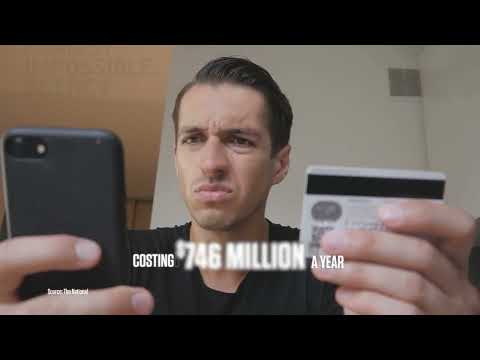
Watch how we turned a warning into a moment people felt.
01 / The Brief
Make the risk
feel real again
Emirates NBD had already run countless public awareness messages and films warning customers about scams, spam, and fraud.
Yet people still believed it would never happen to them.
The bank asked us to find a way to make the risk feel real again, not as a message, but as a moment.
Channel: SMS, the format people trust most and fall for fastest
Audience: General Public, Cinema-Goers
Goal: Transform awareness into lived experience
02 / The Tension We Challenged
The real challenge
was not education.
It was denial.
Fraud awareness campaigns often fail for one simple reason: most people think they are too smart to be fooled. They see warnings as something meant for someone else.
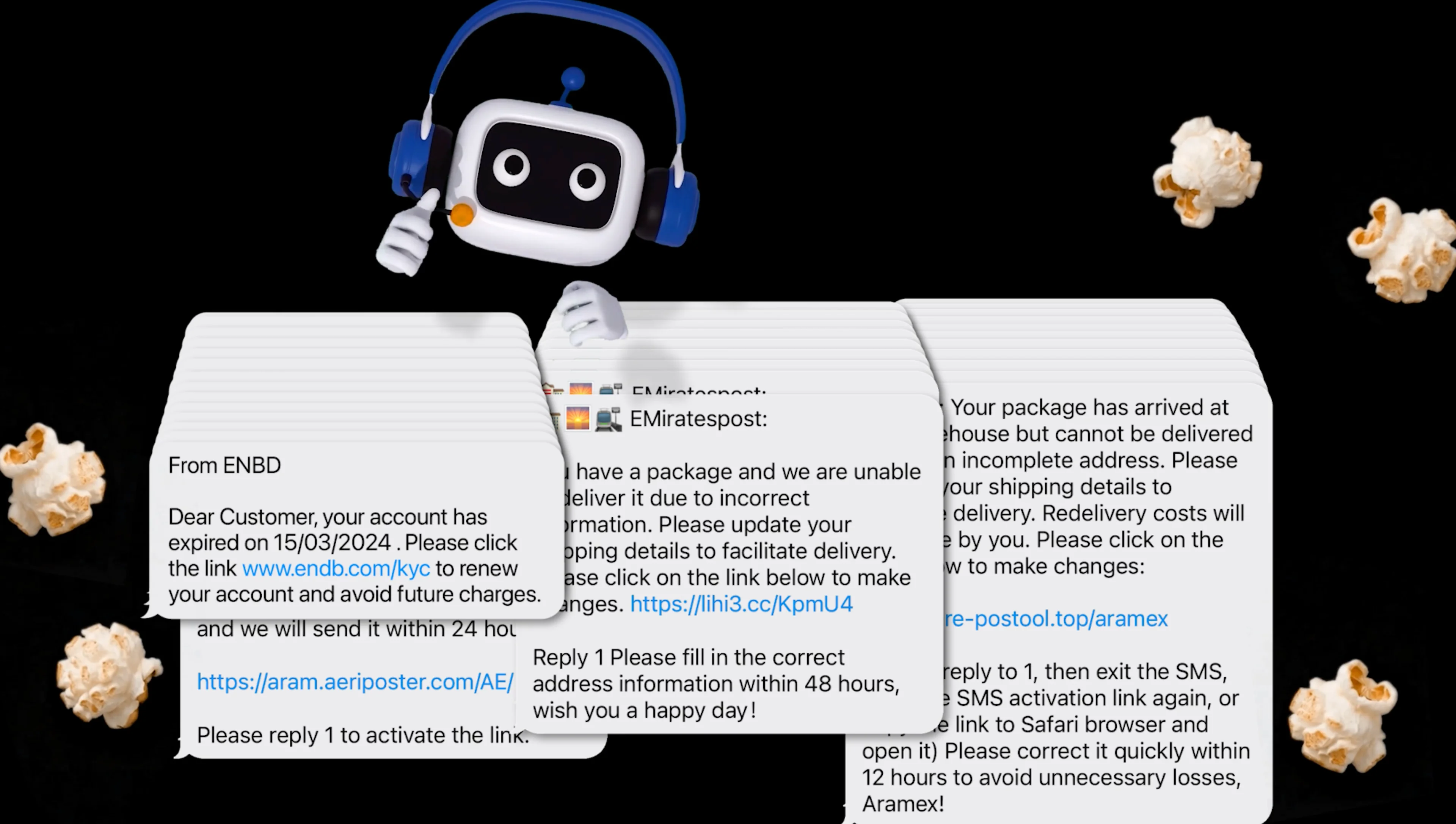
And the most dangerous part is that scams do not arrive as “scams”. They arrive as everyday messages, especially SMS, the channel people trust the most and fall for the fastest.
Overconfidence bias: People consistently overestimate their ability to detect fraud
Familiarity trap: SMS feels trusted because it is personal
Result: Warnings are dismissed as irrelevant
03 / The Strategic Reframe
Don’t warn people.
Let them experience it.
If people believe they are immune, telling them “be careful” is not enough.
So we reframed the job: Don’t warn people about scams. Recreate the exact method scammers use, and let people experience how easily it works.
We built the experience around a hard truth, quietly aligned to our promise:
- Define the risk in the most familiar format: a believable SMS
- Deliver the lesson through real behaviour, not advice
- Delight with a playful hook, then flip it into a memorable wake-up call
04 / The Idea
“Scam” people
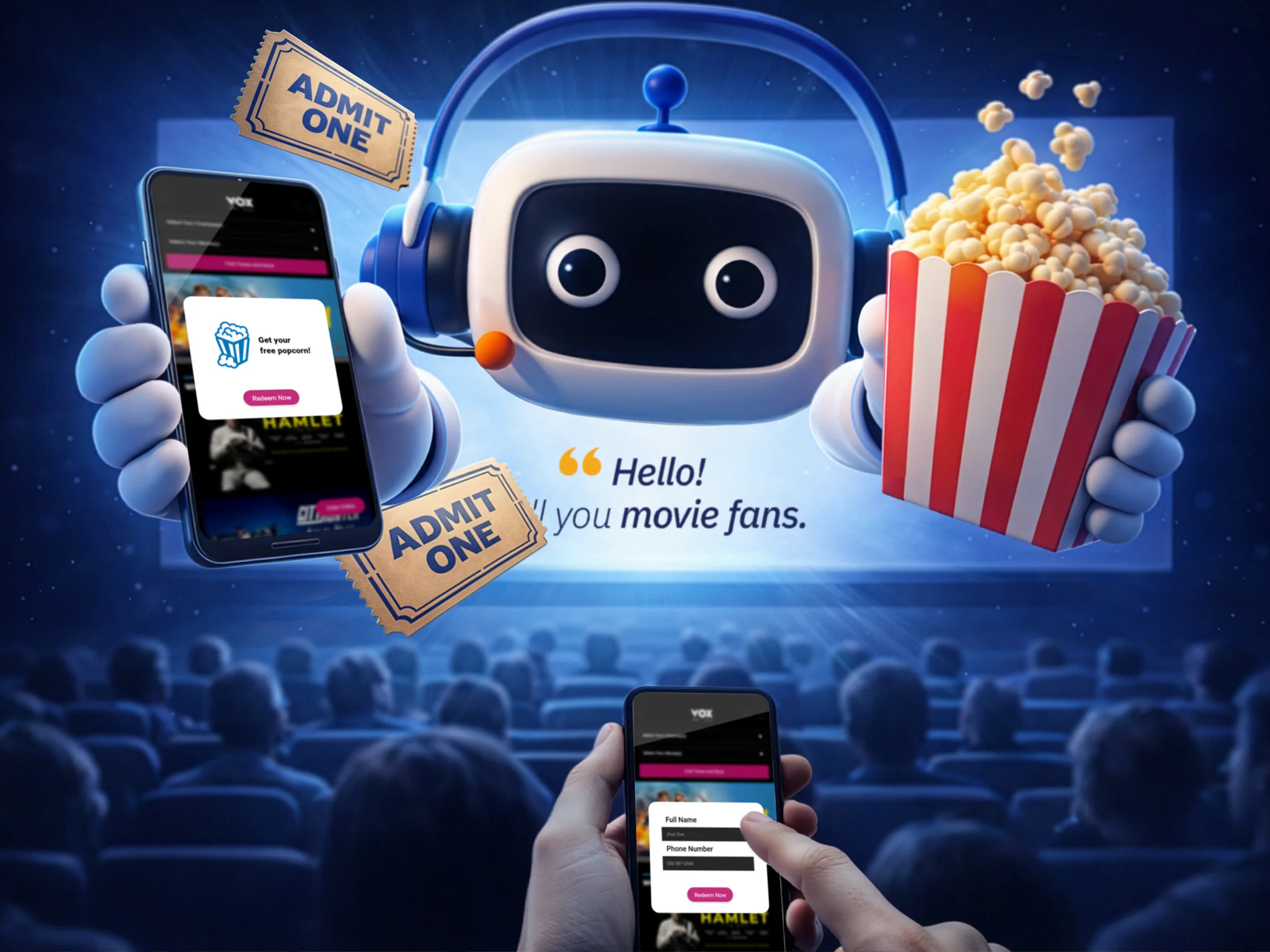
We turned a cinema into a controlled social experiment using the most common scam channel: SMS.
Moviegoers received a message on the mobile number they used when purchasing their tickets. It looked and felt like the kind of SMS people receive every day.
They clicked the link inside the SMS, only to discover they had been “scammed”.
Channel: SMS sent to ticket-purchase numbers
Environment: Live cinema screening
Trigger: A convincing link and call-to-action
Reveal: Collective “gotcha” moment
That moment of realisation did what warnings rarely do:
It made the risk personal, immediate, and unforgettable because it proved that anyone can fall for it when they stop checking who the message is really from.
05 / What We Made
A full phygital experience that blended live audience participation with an SMS-triggered mobile web journey
SMS-led social experiment
- A crafted SMS message sent to moviegoers’ mobile numbers captured at ticket purchase
- A deliberately convincing link and call-to-action, mirroring real-world scam mechanics
- A controlled “gotcha” moment that revealed the trap and the lesson
Mobile web experience (no app download)
- The SMS link opened a browser-based flow instantly
- A frictionless journey designed to feel authentic, fast, and tempting
- A reveal that showed how easily scams work when you do not verify the sender
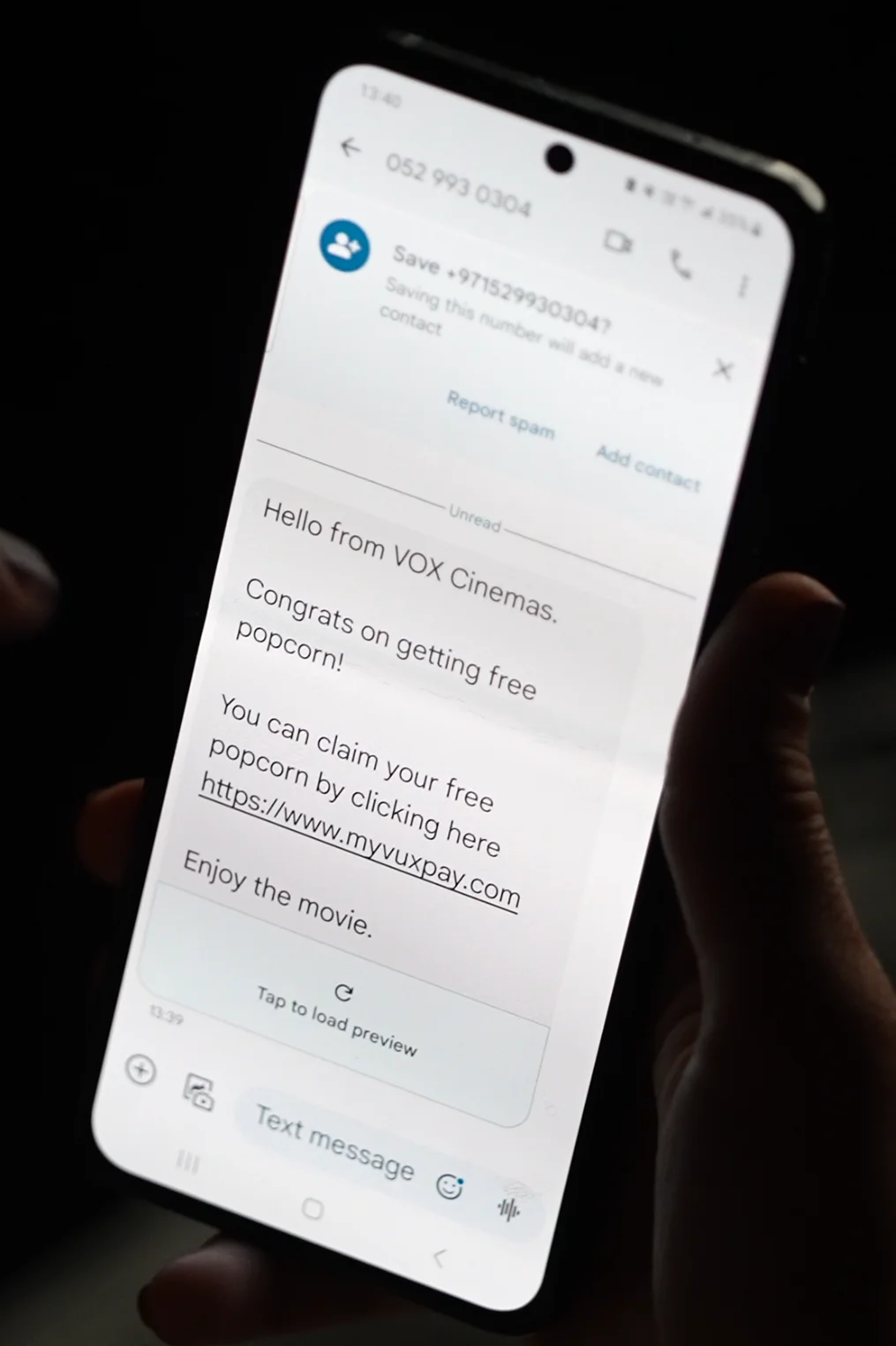
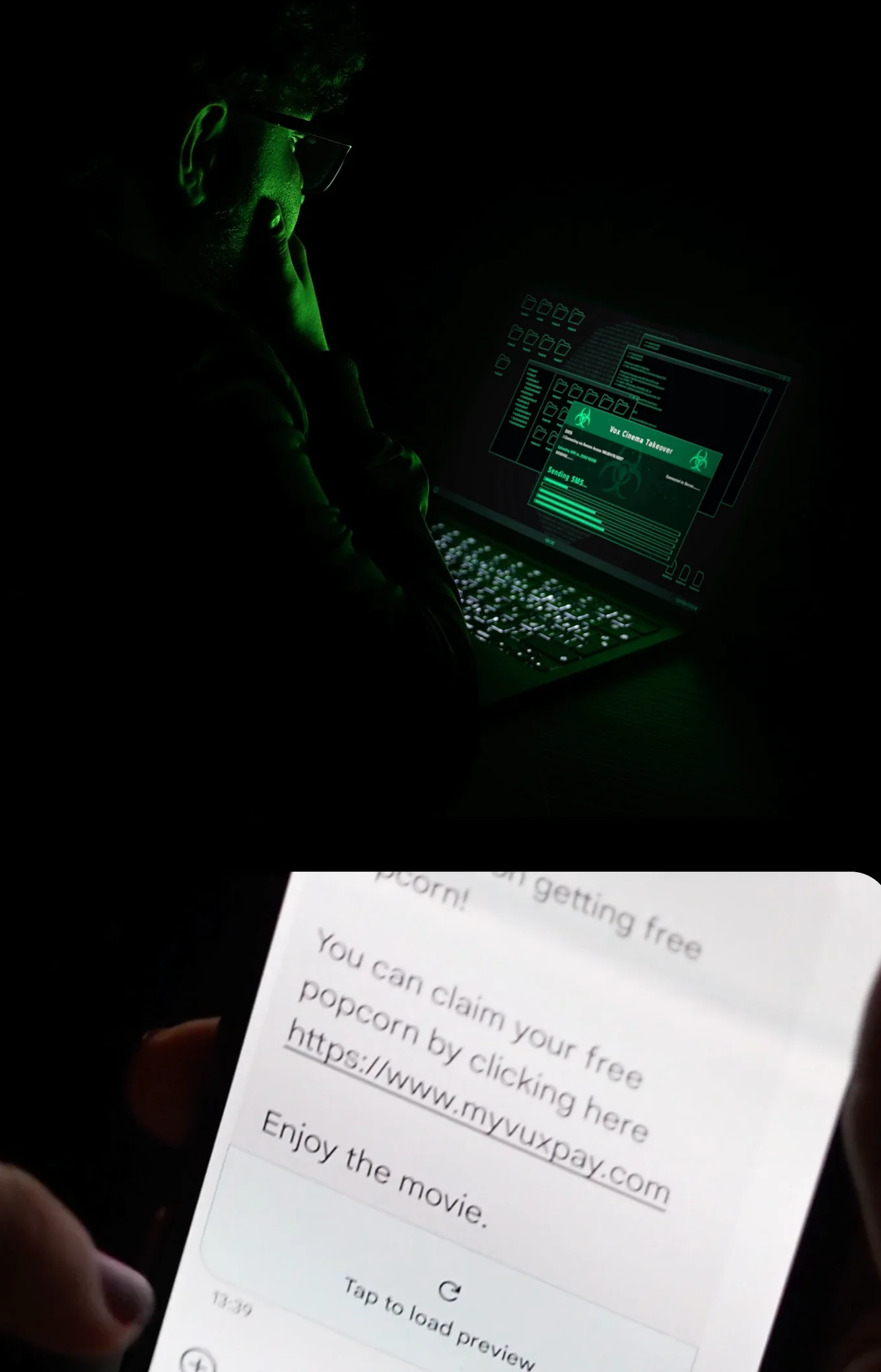
The bait looked harmless: a “free PopCon” link from a familiar name.
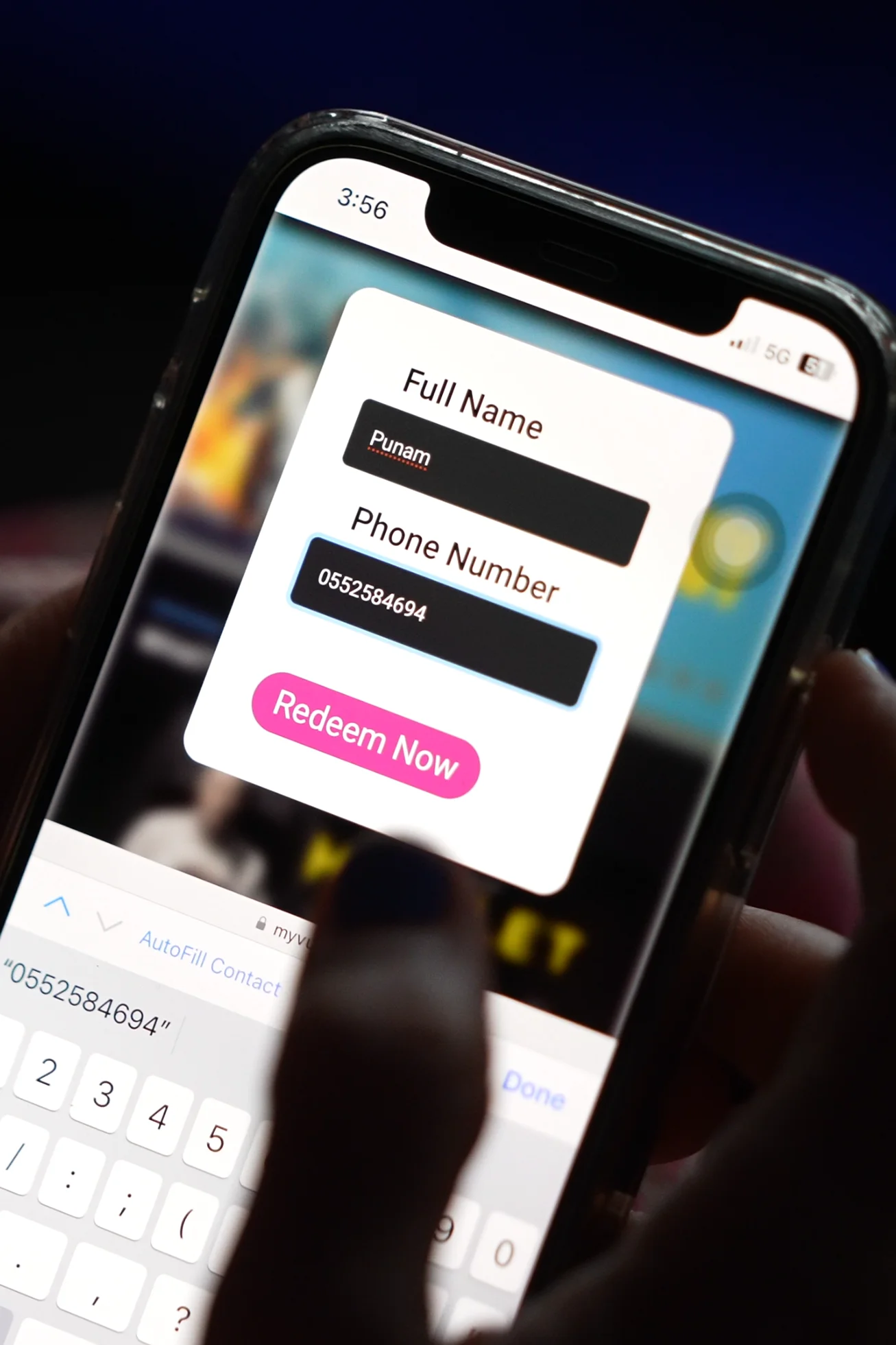
One click later, the scam pattern kicked in: give details, claim reward.
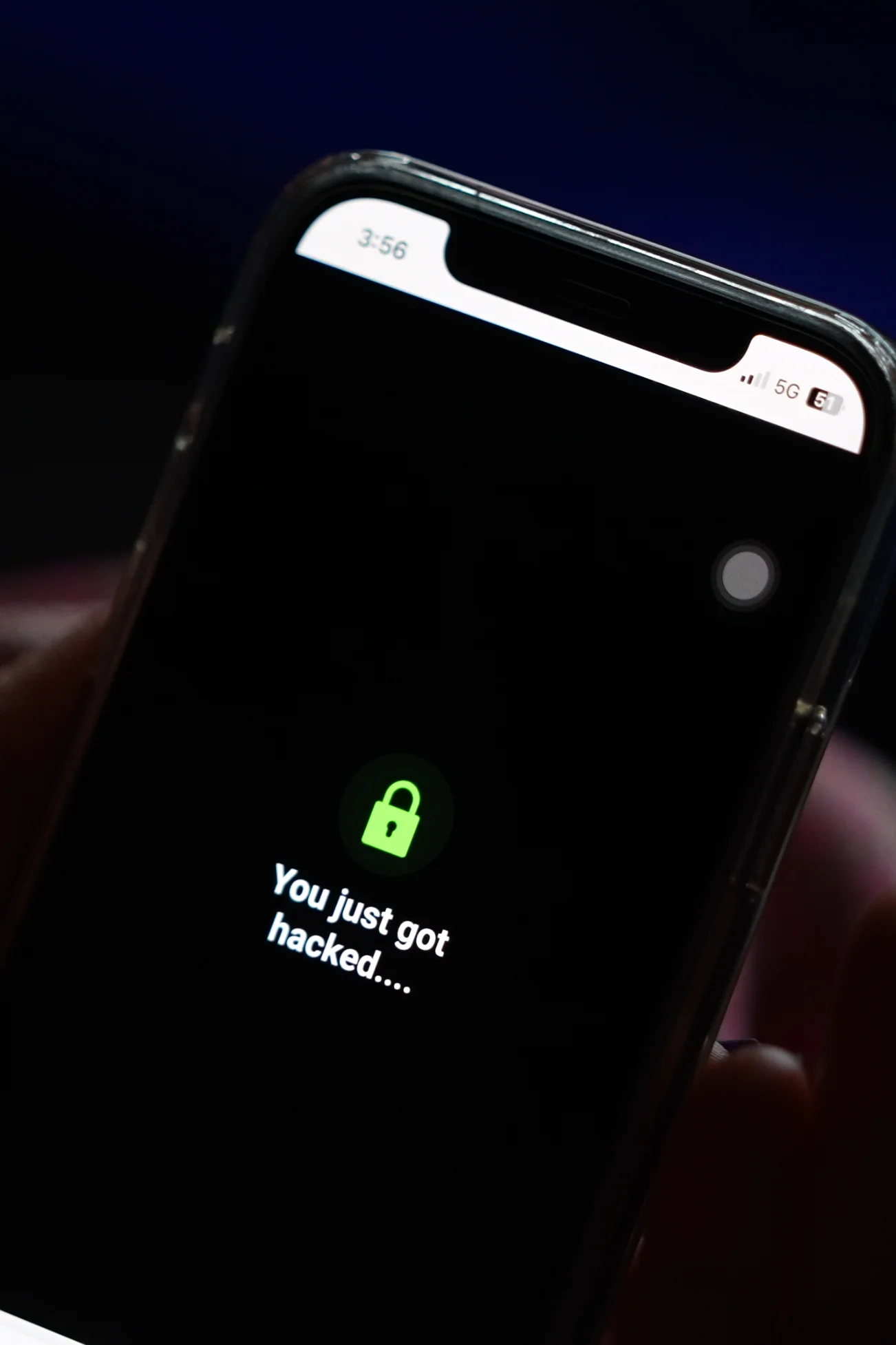
The reveal hit fast, because that’s how real scams work too.
Live cinema takeover
- On-screen narrative moments that framed the experience and sharpened the lesson
- A shared, in-cinema “collective realisation” that made the behaviour change stick
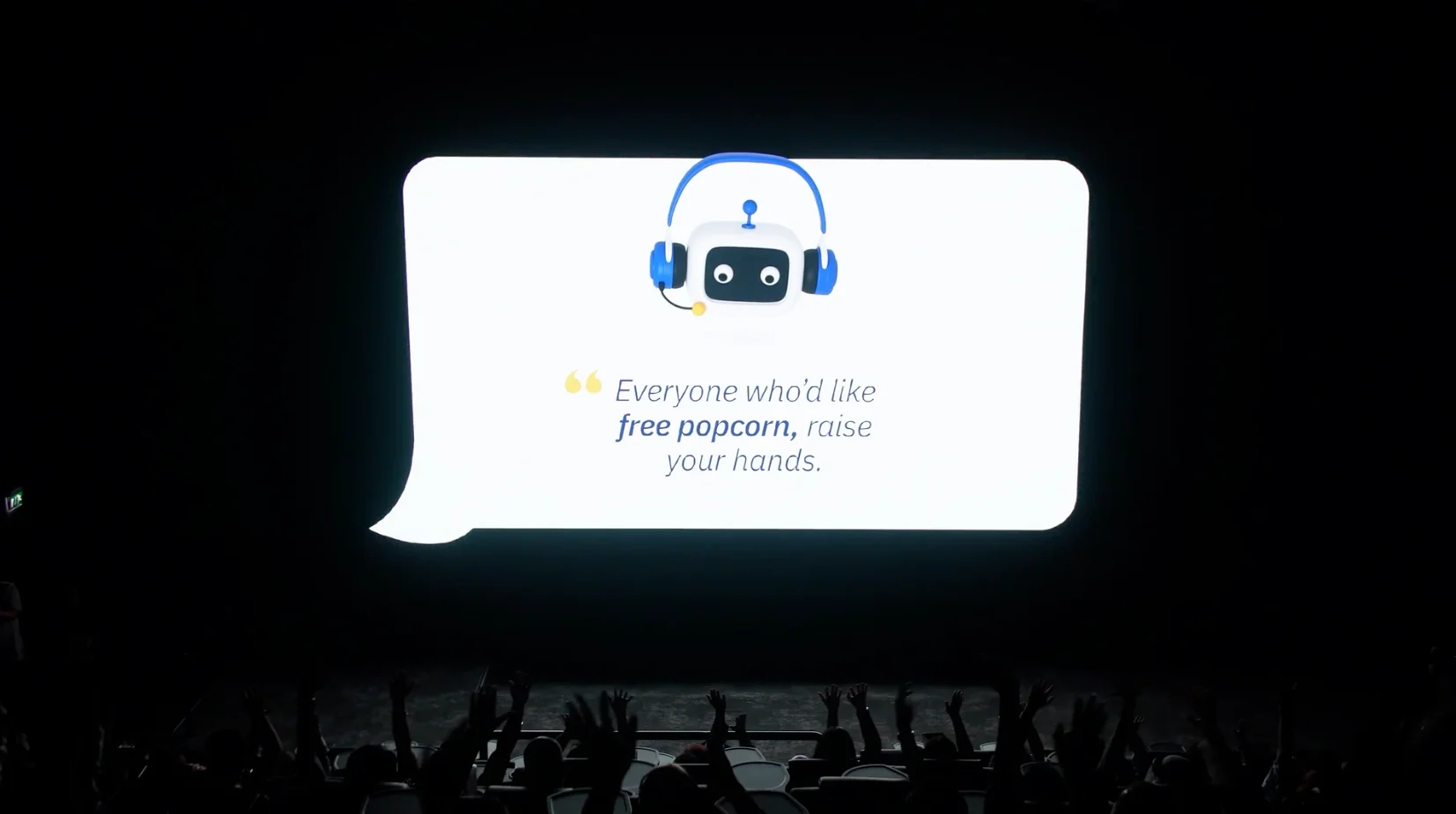
The learning layer
- Clear cues and reminders on how to spot suspicious senders, links, and urgency tactics
- A practical takeaway people could immediately apply to future SMS messages
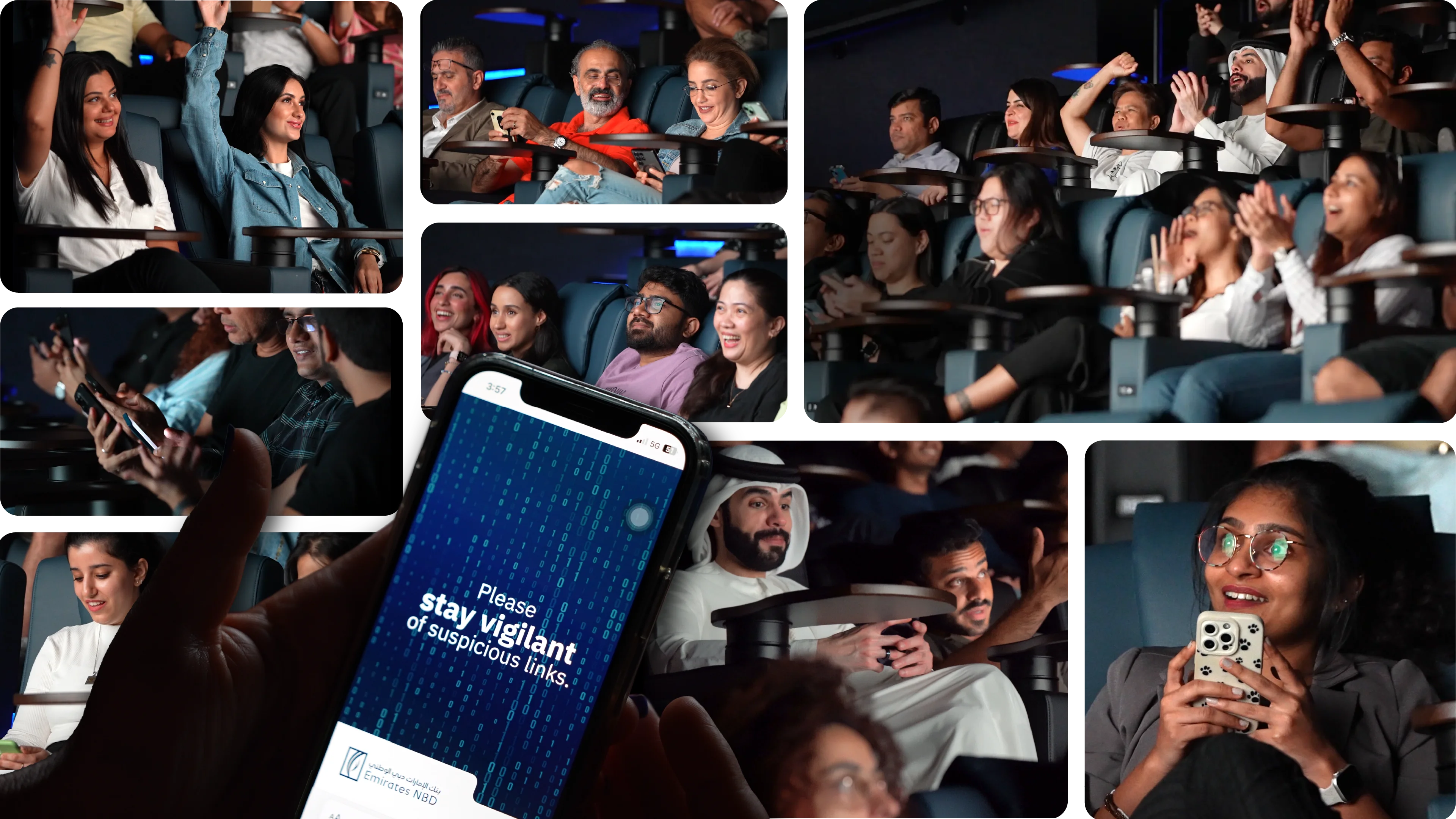
The goal wasn’t to scare people. It was to train them.
Content and rollout assets
- Campaign visuals, cinema screen sequences, and social content cut-downs designed for fast sharing and recall
06 / How it showed up in the world
A live cinema experience that carried beyond the screen
Rolled out as a live cinema experience where audiences participated together, in real time.
Triggered through SMS, the same channel scammers rely on.
Extended through social content, carrying the lesson beyond the cinema into everyday behaviour.
Primary: Live cinema activation
Trigger: SMS to ticket-holder numbers
Amplification: Social content cut-downs
Reach: Organic sharing + press coverage
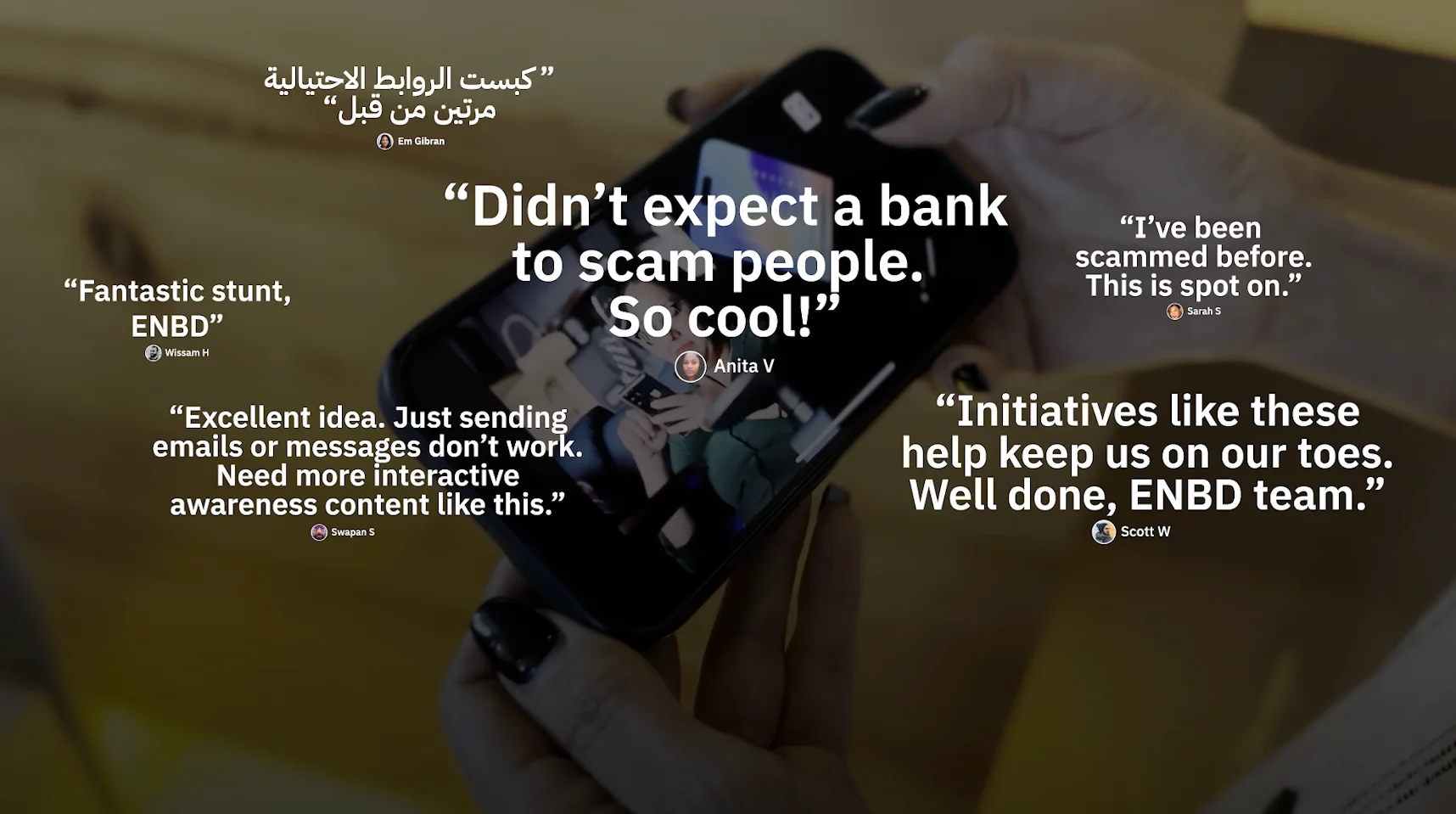
07 / Impact
Lessons learned beyond the cinema activation
clicked the SMS link
fell for the “scam” during the experience
video views within days of launch
media impressions
media reach
08 / Why This Matters
Not a warning
people forget.
A story they remember.
Spam and fraud are not only a cyber problem. They are a human one.
They exploit habit, distraction, and confidence.
By using the exact mechanism people fall for most, an SMS link from an unknown sender, we turned awareness into a lived experience.
Not a warning people forget, but a story they remember, repeat, and learn from.
From: Passive awareness messaging
To: Active behavioural experience
Result: Personal, immediate, unforgettable
We turned awareness into a lived experience:
Not a warning people forget, but a story they remember, repeat, and learn from.
Press
Press coverage


“The stunt left a lasting impact, driving home the importance of constant vigilance in an increasingly digital world.”
Work Delivered
Capabilities
Brand Experience & Activation
- Interactive & Phygital
- Experiential Activations & Events
Digital Experience & Content
- Mobile Experiences
- Digital Platforms & UX
- Social & Creator Content
Cross-cutting Capabilities
- Creative Strategy & Concepts
- Creative Direction
- Effectiveness & Results