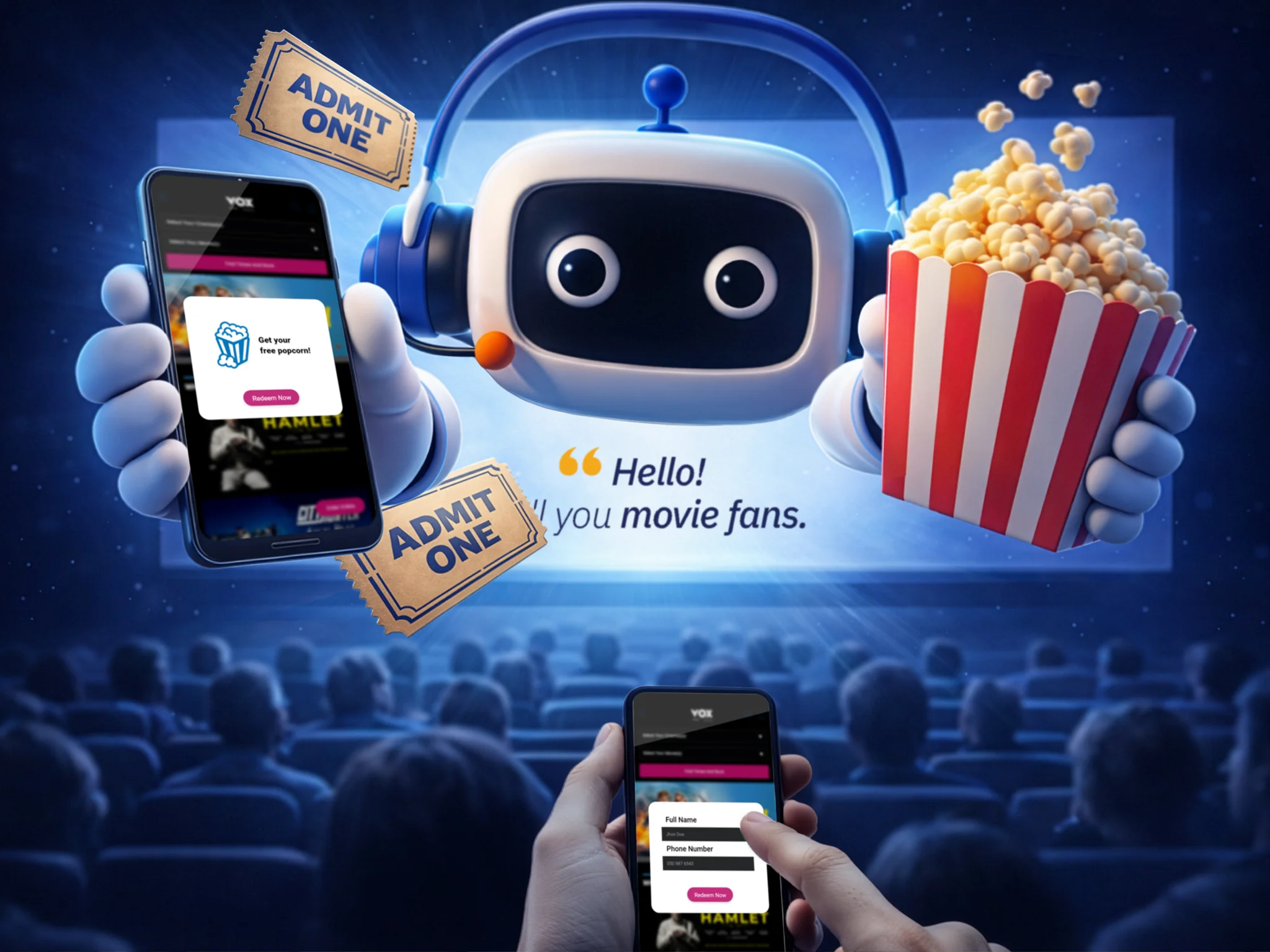
Phygital is a word agencies overuse. The underlying need is real: physical activations enhanced by digital interaction, or digital experiences with a physical anchor. RFID-enabled pop-ups, AR overlays for retail, app-triggered lighting and sound, generative content responding to crowd behaviour.
The brief is a desire to make the physical presence playable. An installation that responds to the visitor. A retail moment that hands the customer something to take home digitally. A campaign where AR or NFC or QR is part of the interaction, not a gimmick stickered onto a poster the night before launch.
How we approach interactive & phygital
We design from the interaction outward. What does the audience do, what do they feel when they do it, what do they take away. The technology choice follows the interaction; the interaction does not get bent around the technology.
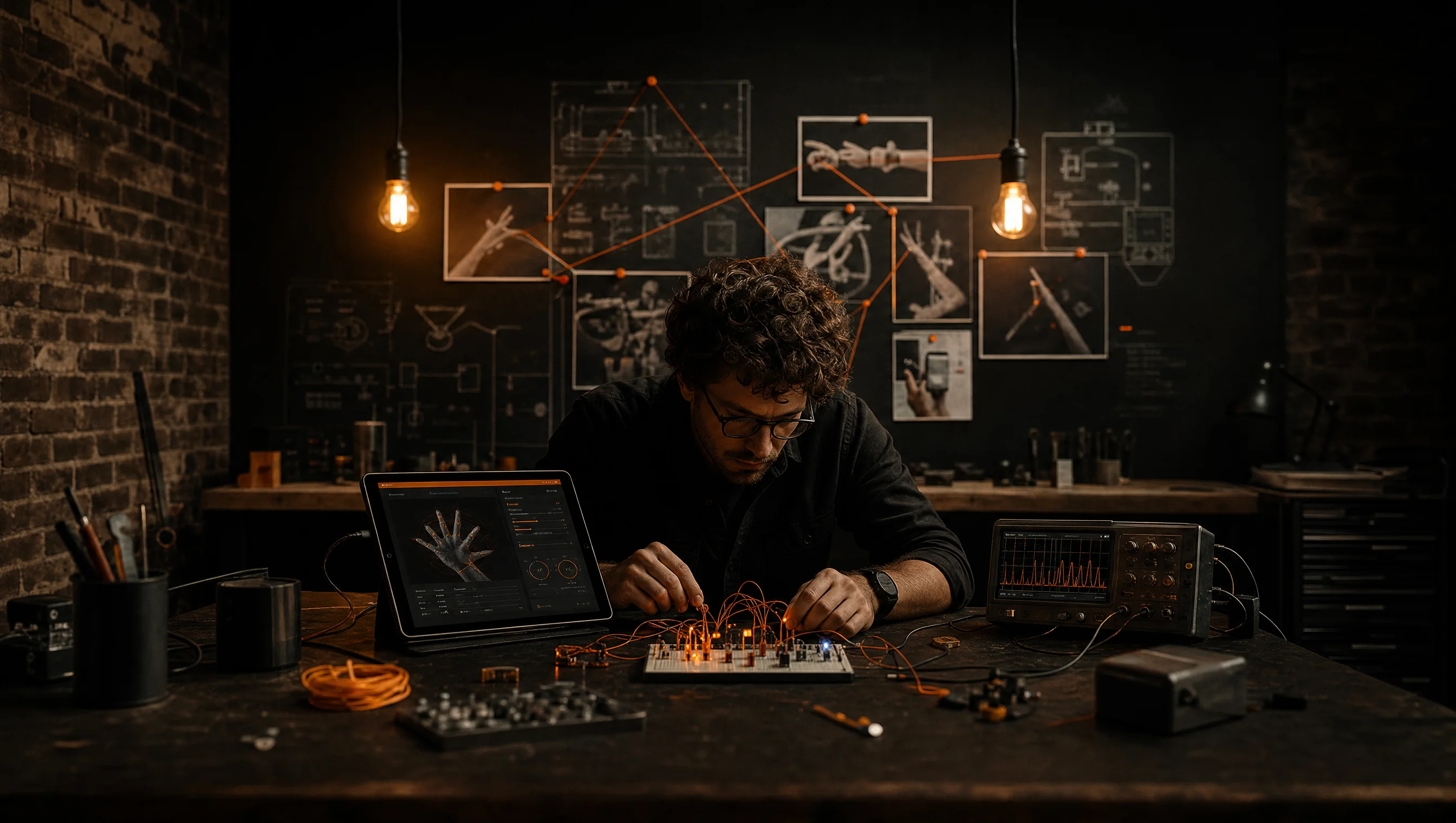
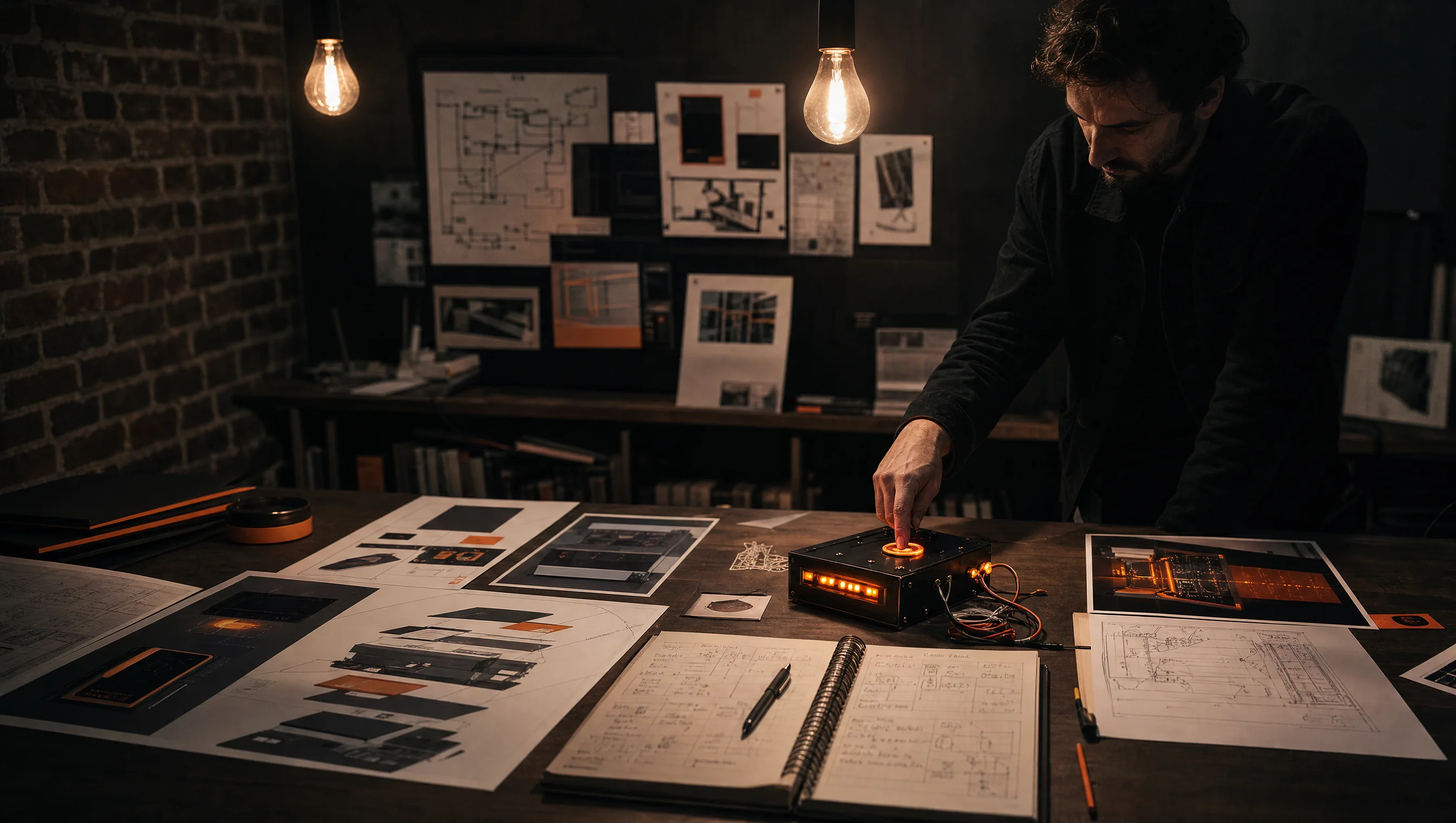
Prototyping happens with real hardware as early as possible. Interactive work fails on the seams between physical and digital, the seams that look fine on paper. Real hardware exposes the seams in week three rather than week ten.
Build partners, technologists, and AV teams work in a single integrated process, not a relay race between specialisms. Operational requirements for the live run are documented before the install, not after the first night.
What you take away
A creative concept and interaction design. A technical specification covering the hardware and software stack. A fabrication brief for the physical components. A content and distribution plan for the digital outputs of the experience. On-site supervision through build, test, and live operation.
Failure modes are documented in writing so the team running the experience knows what to do when a sensor misfires at 9pm on a Saturday. Most interactive work fails not in concept but in operations.
Engagements run eight to twenty-four weeks depending on the technical ambition. The work fits brands ready to invest in something that asks the audience to participate rather than something to be looked at.