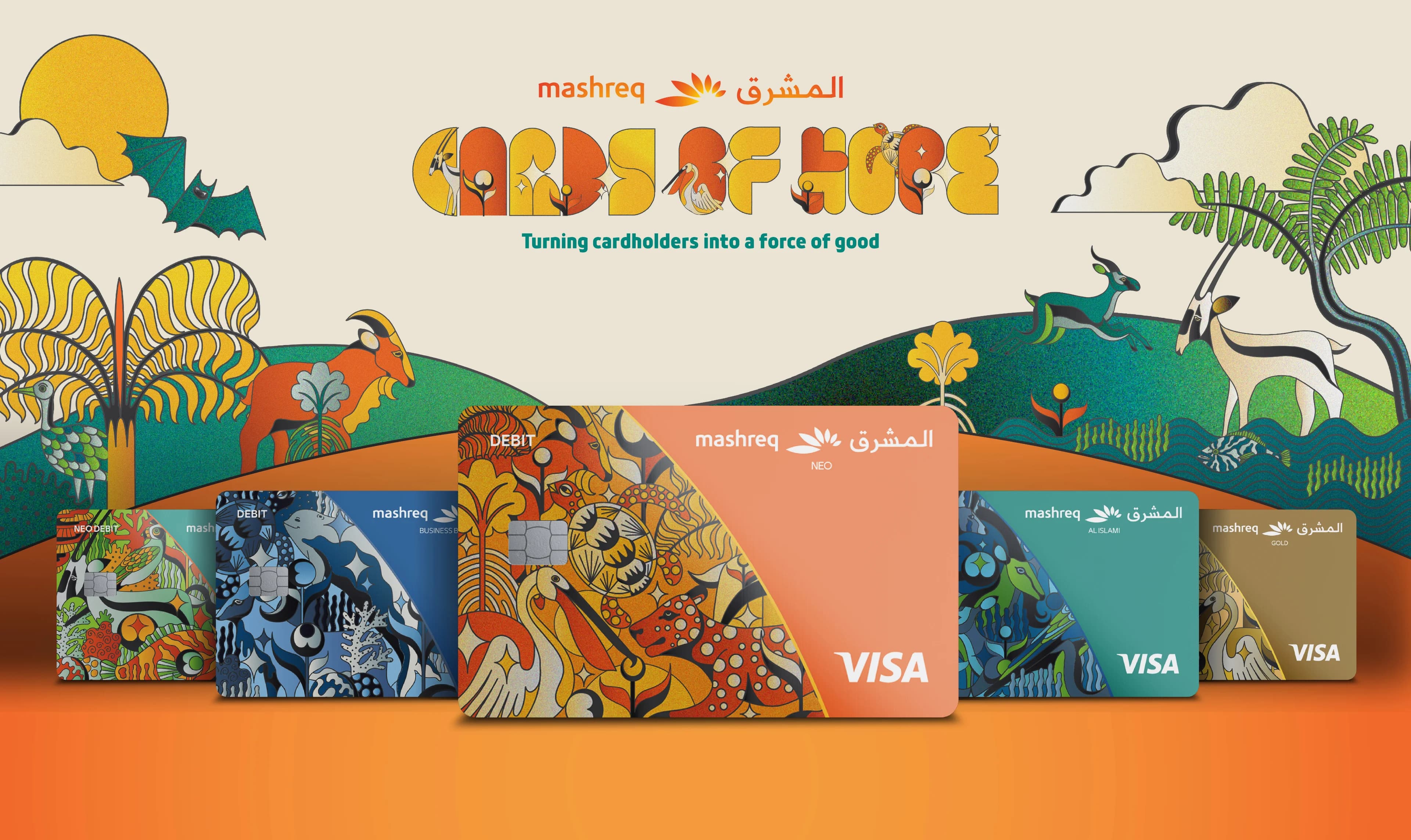
Identity work earns its keep when it survives the rest of the business. The logo is the easy part. The hard part is what happens next: a sales team needing slide templates, a content team needing tone, a procurement team needing brand-compliant signage at three suppliers in two cities, and nobody able to settle a question without phoning the agency.
Most engagements start after a repositioning, a merger, or a leadership change that left the visual system bent in three directions by three different agencies. The brand still passes at first glance. The system has drifted. New assets feel slightly off and nobody on the team can say why.
How we approach brand identity & guidelines
The first move is an audit of every place the position currently shows up: logo, type, colour, photography, motion, the templates the team reaches for Monday to Friday. Where the existing system supports the strategic position, we tighten it. Where it works against the position, we rebuild.
The work is verbal as much as visual. A tone of voice, a vocabulary, a naming convention that survives a launch six quarters from now. The visual layer supports the verbal layer rather than dressing it up.
We test the system in the conditions it will live in: pitch decks, signage at the GCC supplier scale, social cut-downs, slide templates the regional teams will reach for at 11pm. If a guideline cannot survive a Monday morning, we fix the guideline before it ships.

What you take away
A strategic platform document that names the position and the proof. A verbal identity covering tone, vocabulary, and naming conventions. A visual identity system covering logo, lockups, colour with accessibility tested, typography hierarchy, photography direction, iconography, and motion principles. An asset library, plus the governance layer that keeps the system coherent across the in-house team and partner agencies. Most engagements continue as a retainer because identity work compounds with use, not with a handover document. An internal launch playbook for the first ninety days.
The guidelines document is organised the way the team will use it: by question, not by component. New designers and partner agencies produce on-brand work the day they start, not after a week of memorising rules.

A full rebuild runs eight to twelve weeks. A refresh on an existing system runs shorter. The work fits organisations that have already done the strategic positioning and need the identity to catch up, or teams going through repositioning, post-merger integration, or a defining brand moment.